The wild plants of Palestine, one at a time.
A record of what grows here: the Arabic and Latin names, where and when each plant appears, what is eaten, what is remembered, and what is restricted. Photographed on the ground, in Palestine.
Updated · 9 records · 4 hubs · 93 sources cited
The Record
Each plant gets one page, built in registers: what it is, where it grows, whether it is eaten, what it means, how the law treats it, and who photographed it before. Not every plant fills every register, which ones it fills is itself part of the record.
Start here if you came with a question: What is the flower of Palestine? — the designated national flower is سوسن فقوعة, the Faqqua iris, adopted in 2016. The flower Palestinians actually invoke is the red anemone. Both answers are true.
Or: What is the “Wild Flowers of Palestine” series? — the 1900 photographic survey of this flora. This record counted 119 plates in it. Not one carries a word of Arabic.
Or: Is the poppy the national flower of Palestine? — no, and the flower usually called the Palestinian poppy is an anemone. What is akkoub? · What is khubeza? · What is za'atar? — a plant before it is a spice mix, and not thyme. How many olive trees has Israel destroyed? — Gaza alone may have lost more in two years than the West Bank lost in fifty-six.
Or: What is the national tree of Palestine? — the olive, and no Palestinian government has ever had to say so. How many wild plants grow in Palestine? — 1,710 native taxa in the West Bank, counted by Palestinian botanists, and two thirds of the national flora sits in the part nobody can survey any more. What is the lily of the field? — not a lily, and the verse never said it was.
And the index the rest of it hangs on: Palestinian plant names in Arabic and English — خبيزة, زعتر, عكّوب and the rest, both directions, with the botanical name beside each, and every name can be heard spoken aloud.
Or: What is maramia? — مريمية, the wild sage in the teapot, named after the Virgin Mary. It is the second most cited wild edible plant in Palestine, and it is an offence to pick it.
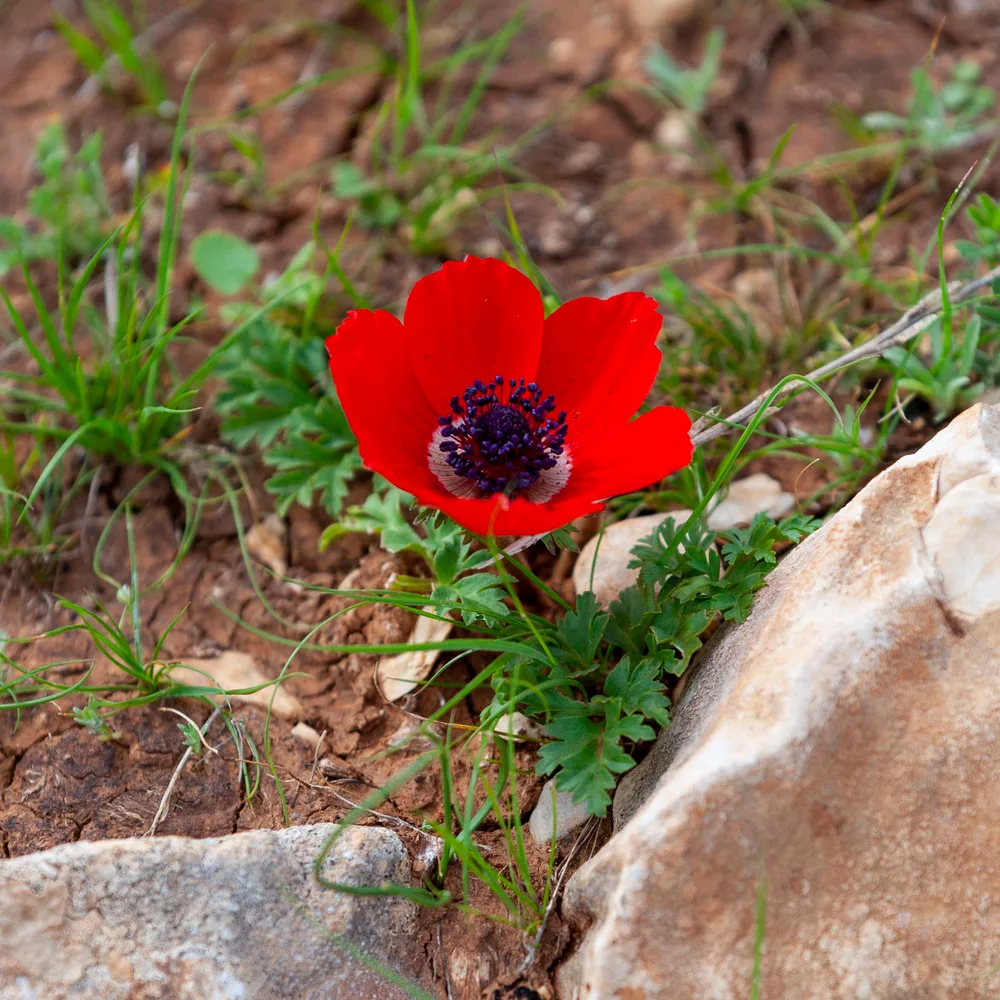
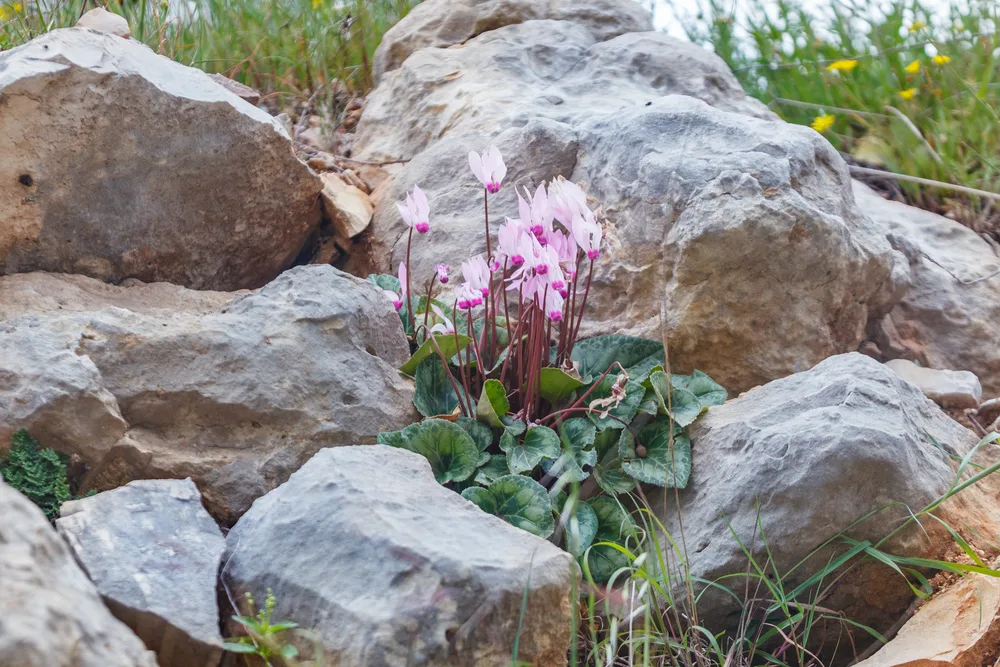
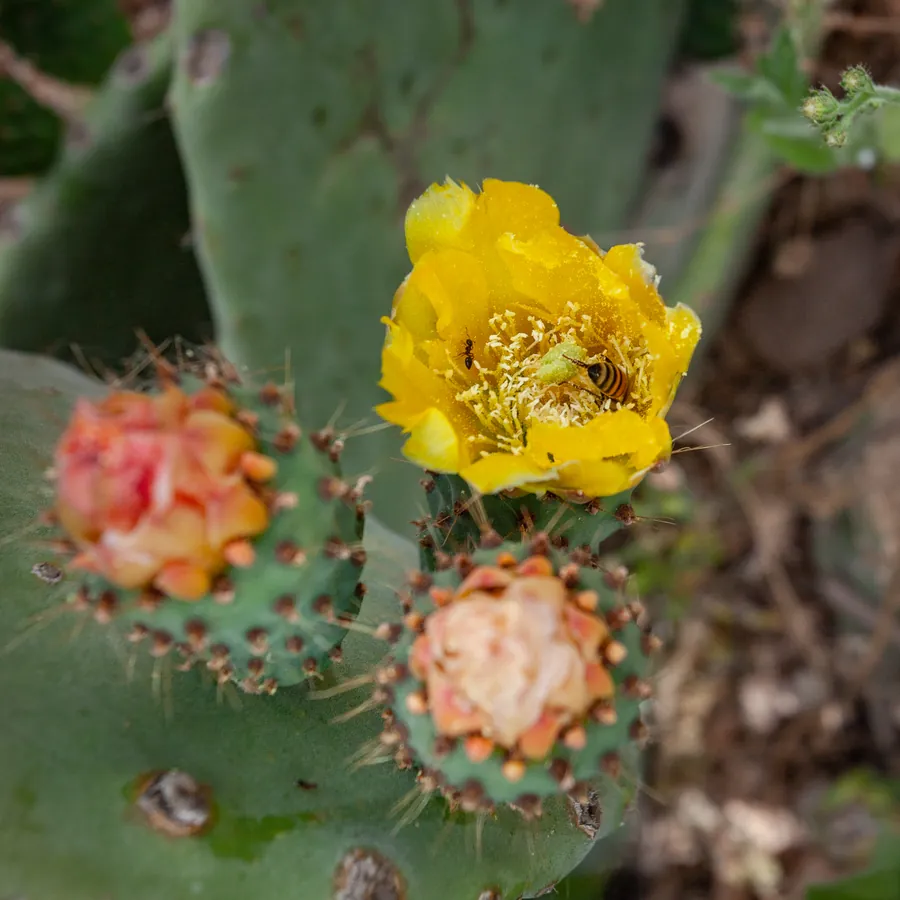
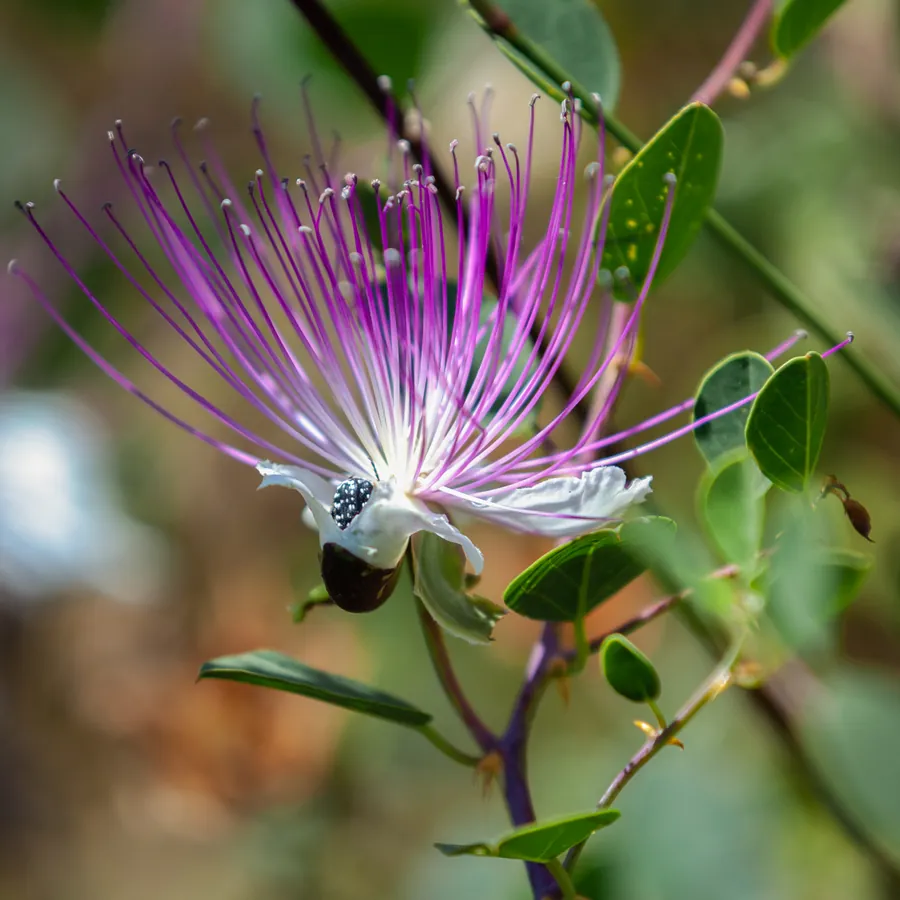
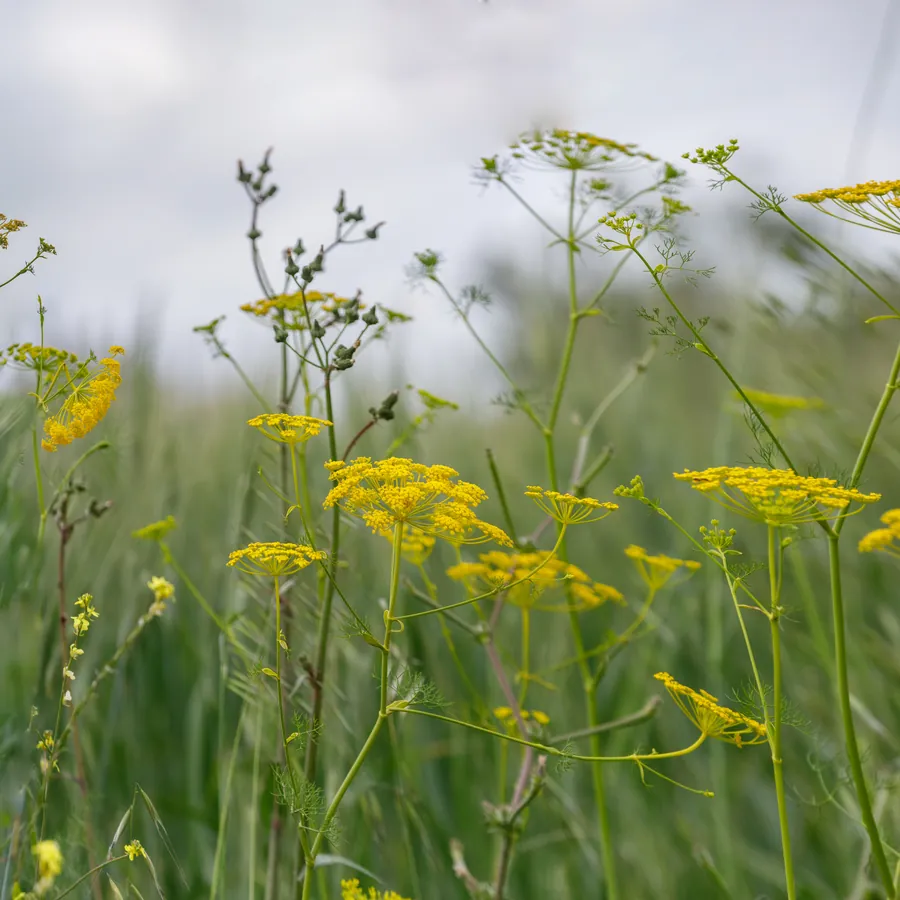
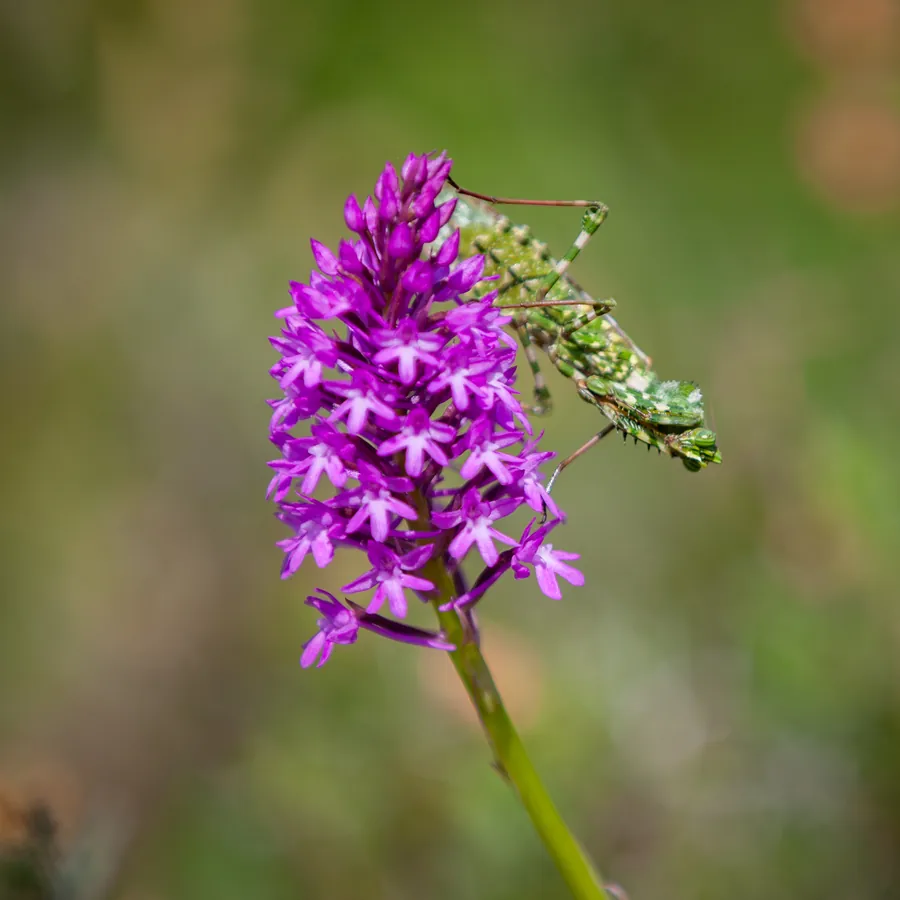
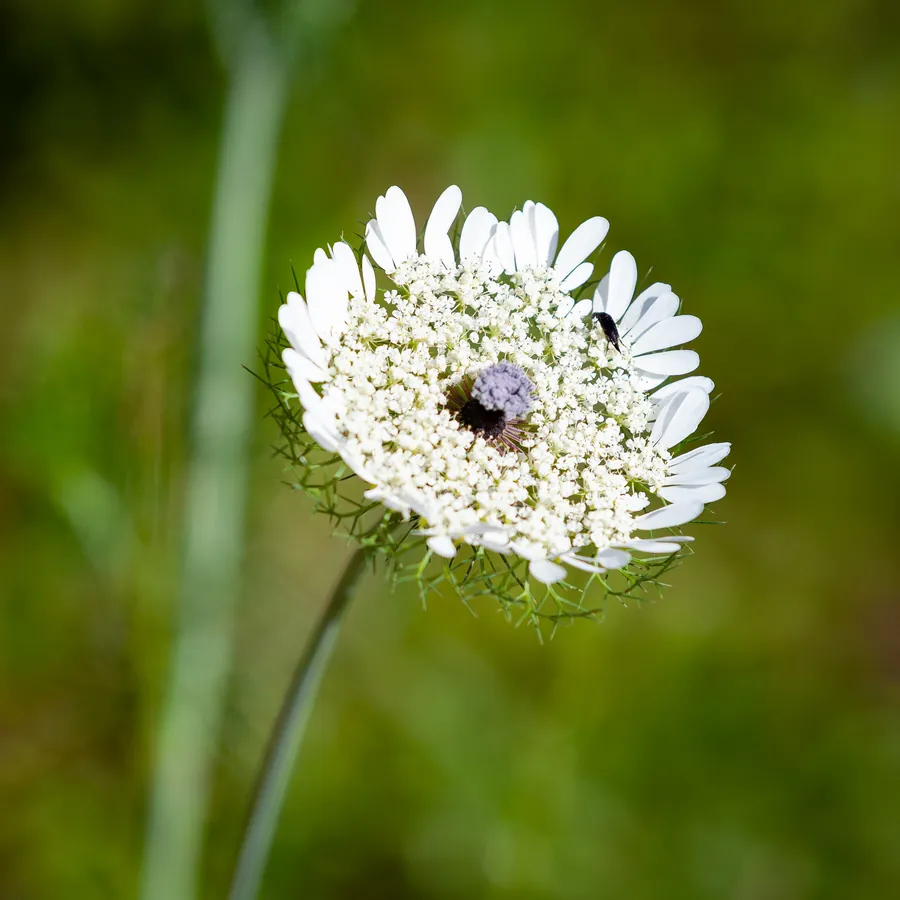
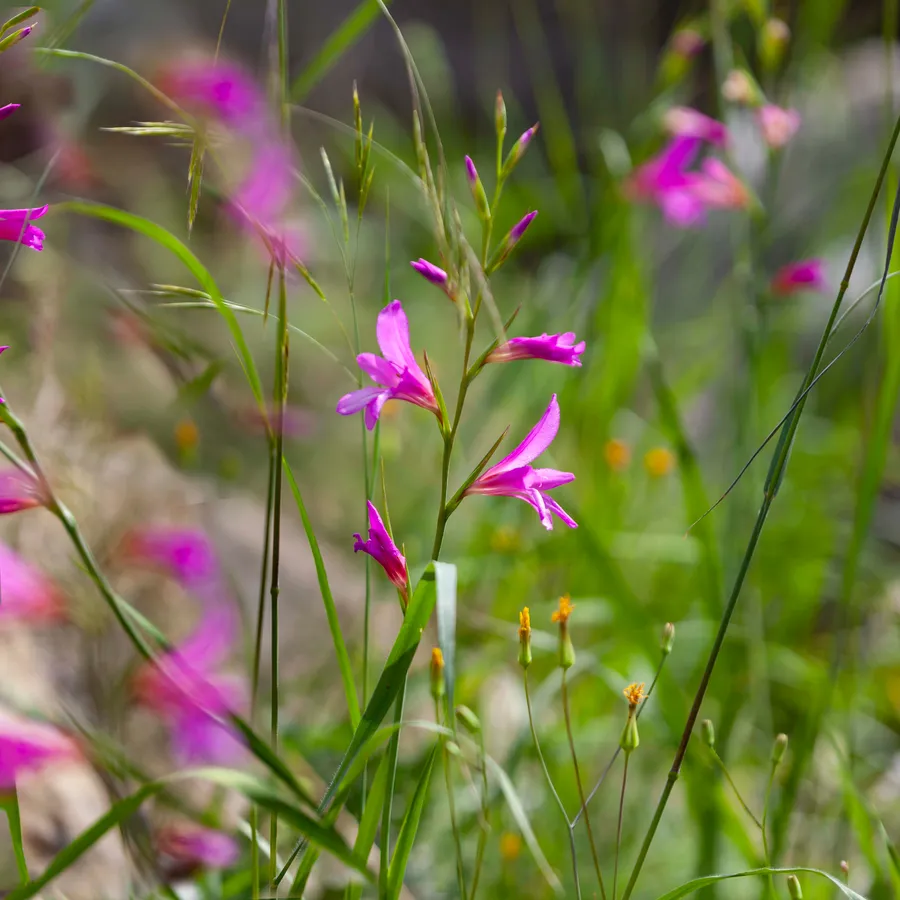
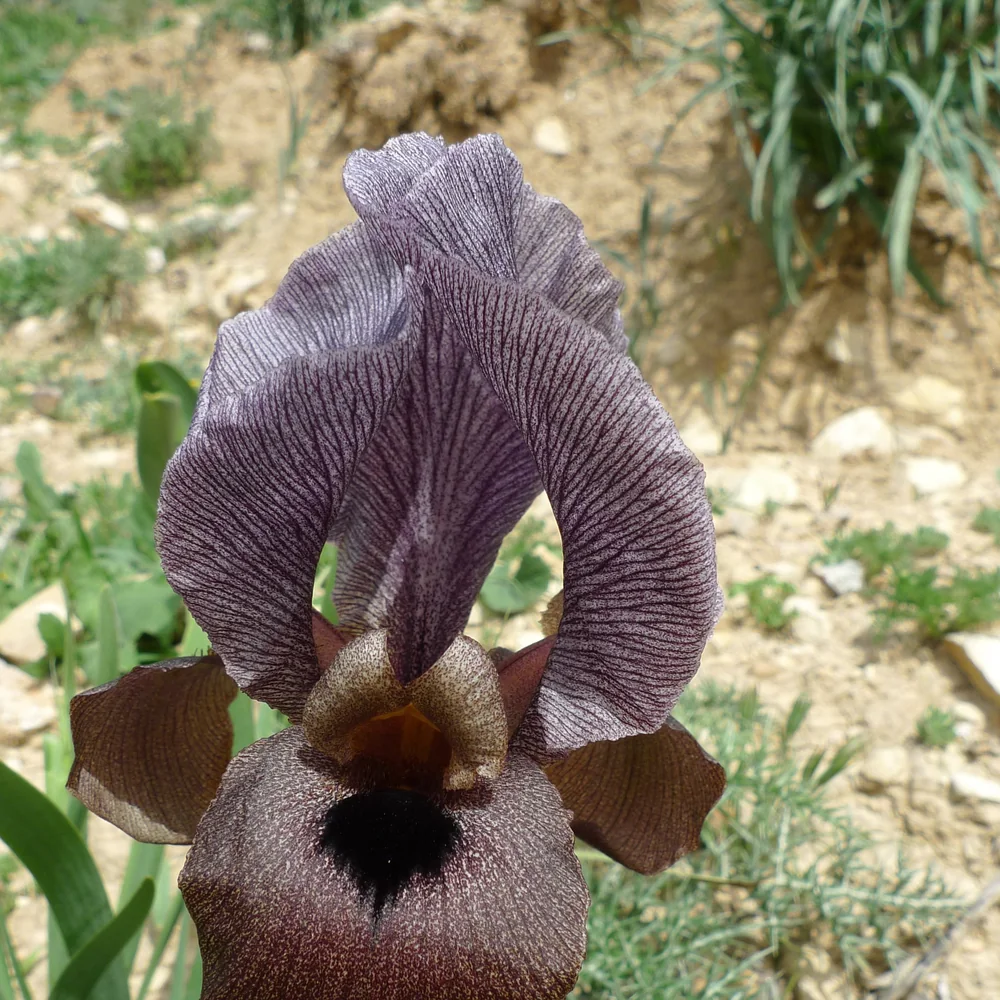
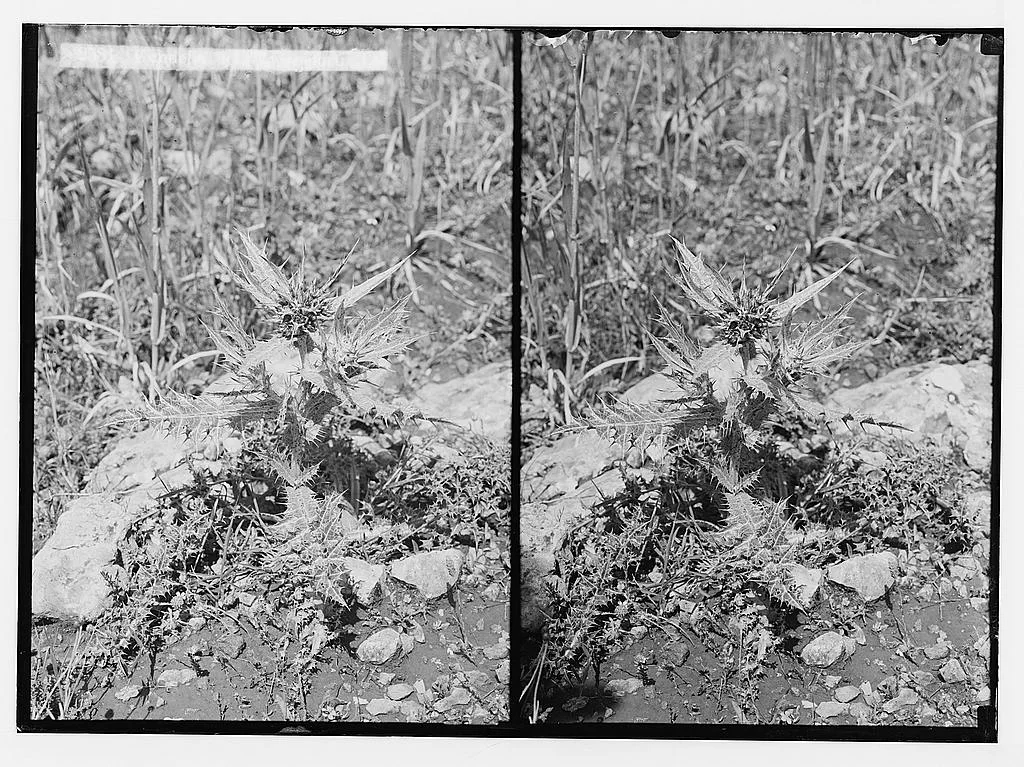
Salvia fruticosa · Malva · Silybum marianum · Echinops · Arum palaestinum, and others, in preparation
Edible
Palestine has one of the richest wild-food traditions in the Mediterranean — roughly 100 gathered species recorded in the northern West Bank alone, held disproportionately by women over fifty. The hub indexes every plant in the record that is eaten: which part, in which months, and who wrote it down.
Culture
The channels a plant travels through: the dyes, indigo from the Jordan Valley, red from madder, that Palestinian dress is literally made of; the tatreez motifs; the farming proverb that is really a sowing calendar; the dal'ouna and the folk song; four painters and one cactus. And what has been taken out of all of it.
Under the Law
A protected-plants list covering dozens of species, extended into the occupied West Bank by military order. No indictment has been recorded for picking any of the protected ornamental species. Every documented prosecution is for one of the three wild plants Palestinians eat. The hub sets out the instrument, the figures and the sources, plant by plant.
The Year
The Palestinian farming year begins in December, not January, because it begins with the rain. December is الأجرد, the stripped month. The hub sets out what is in flower and what is being gathered in each of the twelve, and includes خميس النبات, the Thursday of the Plants, a day in the calendar given over to walking out and picking wild herbs.
Tawfiq Canaan, 1882–1964
A Palestinian physician who spent forty years writing down what Palestinians knew about their own plants — the names, the farming calendar in proverbs, what each plant meant in a dream, because he had worked out early that it was going to be taken. His 1928 study is read at source throughout this record. In 1948 he watched his library burn from the other side of the city walls.
About this record
Every photograph in this record was taken in Palestine — in the field where the plant grows, and in some cases again in the studio as a specimen. The photographer is a Palestinian artist; the work will be credited in full here shortly.
Written entries cite their sources inline, and the sourcing is Palestinian and Arabic first. Where something has not been verified at source, this record says so on the page rather than letting it pass. Corrections are welcome and will be credited.